For a long stretch, much of our energy has gone toward the needs directly in front of us. That work has been necessary, and I am deeply grateful for the leaders who have helped carry it. Together, we have repaired, responded, organized, encouraged, adapted, and made faithful decisions in real time. Even so, we have kept looking toward the horizon, which is no small thing when the present has required so much attention. That steady faithfulness has helped lay the foundation for the season now taking shape among us.
By the grace of God, the dust has settled enough for us to begin seeing that horizon more clearly. We have a better sense of who is here and of the many resources God has placed in our care: gifts, relationships, experience, imagination, buildings, partnerships, financial resources, etc. We also have a growing sense that others are on the way, and we are beginning to understand what it will require to welcome them well, help them find their place, and become more fully church together.
The horizon before us is wider still. We are being called to grow deeper ties in our neighborhood and city. We are learning to receive as well as offer, to listen as well as speak, and to join what God is already doing beyond our walls even as we tend what God is doing within them. We are a church in the city, for the city, and with the city.
There is urgency in this, and I believe it is holy. It’s important to remember that urgency is not the same thing as panic. Panic diminishes vision. It makes everything feel immediate and leaves little or no room for prayer, wisdom, or love. Holy urgency sharpens attention. It helps us recognize that this season together matters, that we should not drift past what God is stirring among us, and that when the next faithful step becomes clear, we ought to be ready to take it.
Throughout this season, I have found myself returning to this question: What is God showing us through the life taking shape among us?
- I see it in our youth group and in the generous support surrounding their upcoming mission trip to Puerto Rico.
- I see it in Building for Hope, especially in the quality of conversation taking shape with congregants, neighbors, partners, and local professionals.
- I see it in Community Ministry, where welcome keeps becoming relationship. People are known by name. Needs are shared. Stories are exchanged and the circle of “we” keeps widening.
- I see it in the encouragement we are receiving from neighbors and community partners, in budding friendships across the city, and in the growing sense that Tabernacle’s life is bound up with the life of our neighbors and our city.
- I see it in our guests, in longtime members leaning in again, in renewed energy across the congregation, in leaders asking healthy and courageous questions, and in the many servants of this church who do quiet work with steady faithfulness.
All of this deserves prayerful attention. The life God is stirring among us is beautiful, and it also brings responsibility. One encouraging sign is that careful stewardship is becoming more deeply woven into our shared culture. The season ahead will ask much of us. Our property and mission belong in the same conversation. Our budget should help us tell the truth about what God has entrusted to us and how God is calling us to live. Our partnerships will need care, and our leaders will need support. We will need to discern carefully, so that the sacrifices we make together are faithful to the vision God is giving us.
Holy urgency asks us to stay awake, to tell the truth, and to move with courage when the Spirit makes the next faithful step clear. We have many ideas, and many of them are exciting. Some may become faithful next steps. Others may teach us something and then give way to clearer invitations. That, too, is part of discernment.
Where do the gifts God has placed in our hands meet the needs God is placing before us in our community? This is the question that belongs to all of us right now.
My hope is that we will enter this season with open hearts, asking God to shape our imagination, strengthen our courage, and deepen our trust. As we listen to the testimonies being shared in worship, in conversation, and in the faithfulness of daily service, I believe we will hear a deeper story.
God is forming us in real time.
God is showing us something through the life taking shape among us.
May we have eyes to see it, patience to receive it, and courage to follow where the Spirit leads.Yours in Christ,
Sterling W. Severns
Senior Pastor
Growing as Discerning People
In the book Discerning God’s Will Together: A Spiritual Practice for the Church1, the authors explain several basic assumptions underlying discernment. One is that although there is structure and a “process” to discernment, simply applying the “method” is ineffective if we are not “under the influence” of the Holy Spirit.
Another assumption is that remaining “under the influence” requires practice…..For example, hearing the Spirit speak through Scripture, listening to the Spirit through prayer, hearing the Spirit speak through others as we pray together.
So how can we support and encourage each other in the ongoing and consistent practices of listening for the Spirit?
In the coming weeks, we will be creating a dedicated “Hope Space” in our church (and outside our church) to encourage these practices as an integral part of our Building 4 Hope endeavor. Stay tuned and in the meantime, keep listening…
- Where is God already at work in our community?
- What is our church uniquely able to offer to make His kingdom visible and viable here?
- Morris & Olson, 1997 ↩︎
B4H Prayer Reflection: Affordable Housing
During Advent, we are learning to see more clearly the needs of our community that are rising to the surface through our Building for Hope process. This week, we’re turning our attention to affordable housing—the growing pressure our neighbors face in finding a place they can truly afford.
Last Sunday we named how this challenge shows up all around us: families facing eviction, parents choosing between rent and groceries, neighbors unable to find housing within their budget, households spending more than half their income just to keep a roof overhead, people living one unexpected bill away from losing stability, and, at its most extreme, neighbors experiencing homelessness.
We acknowledged that the crisis is larger than any one solution, and yet God invites us to begin by seeing, listening, and responding with compassion.
As you move through the week, we invite you to pause and reflect:
- Name where you’ve seen the lack of affordable housing create hardship—now or in the past. Who comes to mind? What story rises up for you?
- What do you find yourself longing for God to do?
May these reflections shape our prayers and our readiness to take the next faithful step together.
Prayer: God of shelter and shalom, give us eyes to see, courage to listen, and hearts willing to respond.—Amen
Wise Words for Churches in Transition
We are in a moment of big transition at Tabernacle, one that invites deep discernment about who we are, where God is calling us, and how we navigate the challenges and opportunities in this chapter of ministry together.
We’re grateful for the wisdom of our friend Mark Tidsworth, founder of Pinnacle Leadership Associates, who has spent decades walking with congregations through similar seasons of redevelopment and renewal.
In his recent reflection, Five Initiators of Congregational Redevelopment, Mark names five dynamics that often surface when a church is on the threshold of transformation. His words are honest, hopeful, and deeply resonant for communities like ours. You can find the original post and more resources from Mark and his team at Pinnacle Leadership Associates.
Five Initiators of Congregational Redevelopment
Nov 11, 2025
by Rev. Mark E. Tidsworth, Founder and Team Leader of Pinnacle Leadership Associates
“If you want to build a ship, don’t summon people to buy wood, prepare tools, distribute jobs, and organize the work, rather teach people the yearning for the wide, boundless ocean.” — Antoine de Saint-Exupery, quoted by Alan Hirsch in The Forgotten Ways: Reactivating The Missional Church, 2006.
I was talking with a minister whose daughter is a teacher in one of the schools taken over by the state due to its poor performance. A problem-solver, specialist principal was sent in to reform this school. This principal stayed a few years and then moved on. As we coach clergy and consult with congregations, we are finding many who are in similar circumstances to this school and its specialist principal. Unexpectedly, most pastors find themselves in redevelopment ministry contexts.
When redevelopment of a congregation is needed, how do we lead? Given the parable of the Sower and the Seed, we are not responsible for the growth of God’s kingdom. Instead, we are responsible for cultivating the soil and sowing the seed — still a substantial task. What nutrients are needed in the soil? What weather patterns and conditions are needed for the seed to grow? When renewal and redevelopment of a congregation happens, what are the ingredients in the mix?
Crisis. I wish this were not so. It appears that some level of crisis is a necessary ingredient in the soil for renewal to happen. Typical forms of crisis include conflict, after which mass exodus occurs, threatening the critical mass of the congregation. Finances can drop enough to threaten the employment of staff persons. Sometimes, even theological differences can drive congregational demise (though this is more rare than one might expect). These, and others, lead to congregational crises with fear and pain involved. As we work with congregations in many places, we observe that some level of crisis is needed to wake them to their need for renewal and redevelopment. Threats to survival, along with substantial fear, have a way of waking us to reality.
Acceptance. The first response organizations make when a crisis occurs and they are ready to get back on track is to try harder with what has worked before… improve the quality, work harder at what we do, strengthen our programs and people. These are well-intentioned efforts, and are effective, when your model is viable. When adaptive change is needed (when the model itself is no longer viable), then these efforts inevitably produce increased frustration. Perhaps this is a valley congregations must travel. Eventually they must realize that it’s the model itself, and become willing to accept that church-like-the-1950s will not happen again.
“Until three-quarters of your formal and informal leadership cadre is ‘honestly convinced that business-as-usual is totally unacceptable,’ your organization’s concerted effort to change is not ready to be launched.” — John Kotter, “Leading Change: Why Transformation Efforts Fail,” Harvard Business Review (March-April, 1995)
Compelling and Captivating Story. Fortunately we have one — the gospel of Jesus Christ. Congregations who engage in redevelopment must first rediscover their story. Do they have something to share? Do they have something the world needs? Is this story out of which they live captivating and compelling? If not, then the redevelopment work will be too difficult. If so, they have discovered the source of life. If so, they want to share this good news and engage in activities that bring wholeness to the world. They want to join God on mission in the world out of their gratitude for God’s presence in their lives. They want to build ships because they yearn for the wide, boundless ocean.
Commitment to Renewal and Redevelopment. Some congregations decide to close. When they can do this with dignity, they can bless their journey. Others though, redevelop. This is the “boot camp” season of congregational life. This is the time when people roll up their sleeves and make a go of it. To do this, commitment has to be high. Like John Kotter says in the previous quote, the pastor, church staff, and congregational leaders have to actively commit to renewing and redeveloping the congregation. There will be spiritual and emotional highs… and lows. So the commitment has to be there to sustain them through boot camp.
Urgency. It’s interesting to observe what drives urgency for the churches who redevelop. Often the driving factors don’t appear very “spiritual.” The congregation may be driven by the awareness they are dropping below a critical mass to sustain their facilities, staff, and programs (institutional fears). If this is where they are, and it motivates them to do ministry, then at least it’s a way to begin moving. When they do make progress, often they discover more sustaining and life giving motivation. In order to do the necessary renewal and redevelopment work, they have to be compelled by their sense of urgency to accomplish the mission.
Finding yourself in a renewal or redevelopment ministry? You are in good company these days. Fortunately, we are in luck. God specializes in renewal, through Christ.

BUILDING FOR HOPE UPDATE
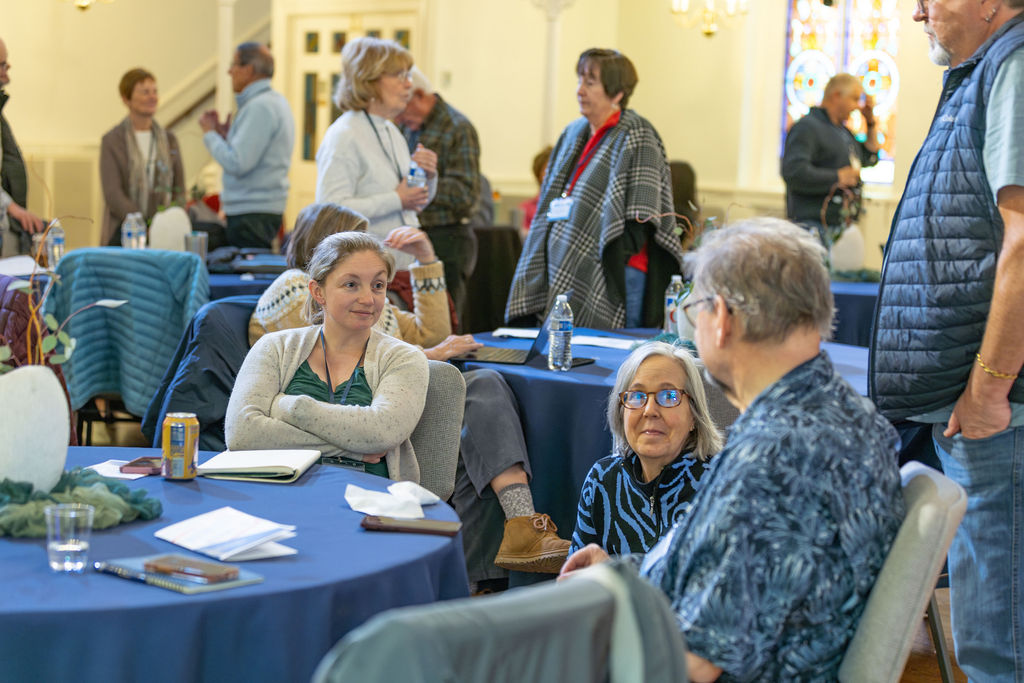
We are so grateful to those of you who have completed the ISpy Activity! We learned of so many things that most of us walk by everyday without noticing. We hope you enjoyed doing it. We’re going to continue to make that opportunity available, and new input would be greatly appreciated. We have also met with many folks in our community and experts in their fields as we explore what could be next in the life of the church.
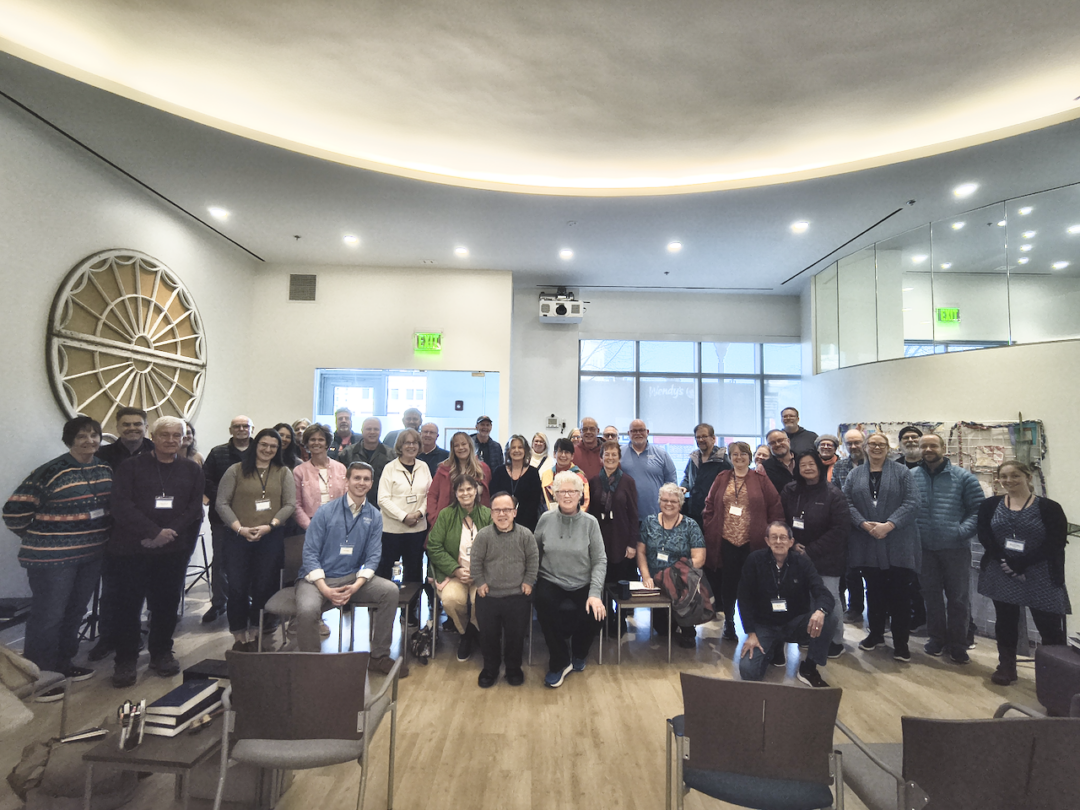
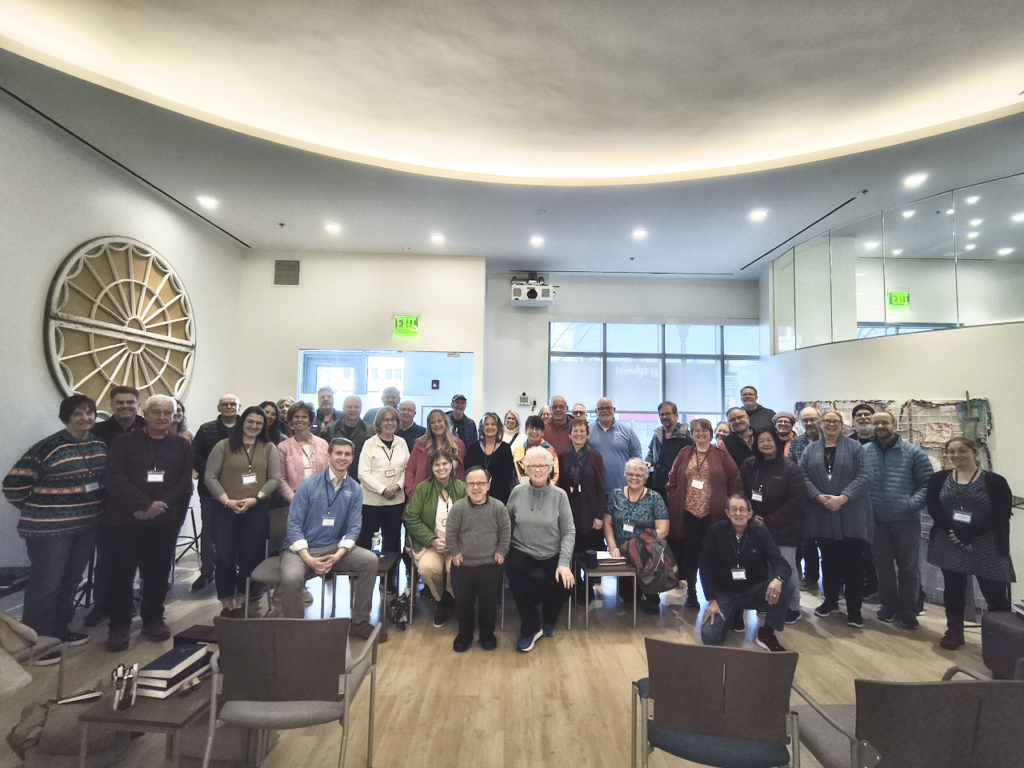
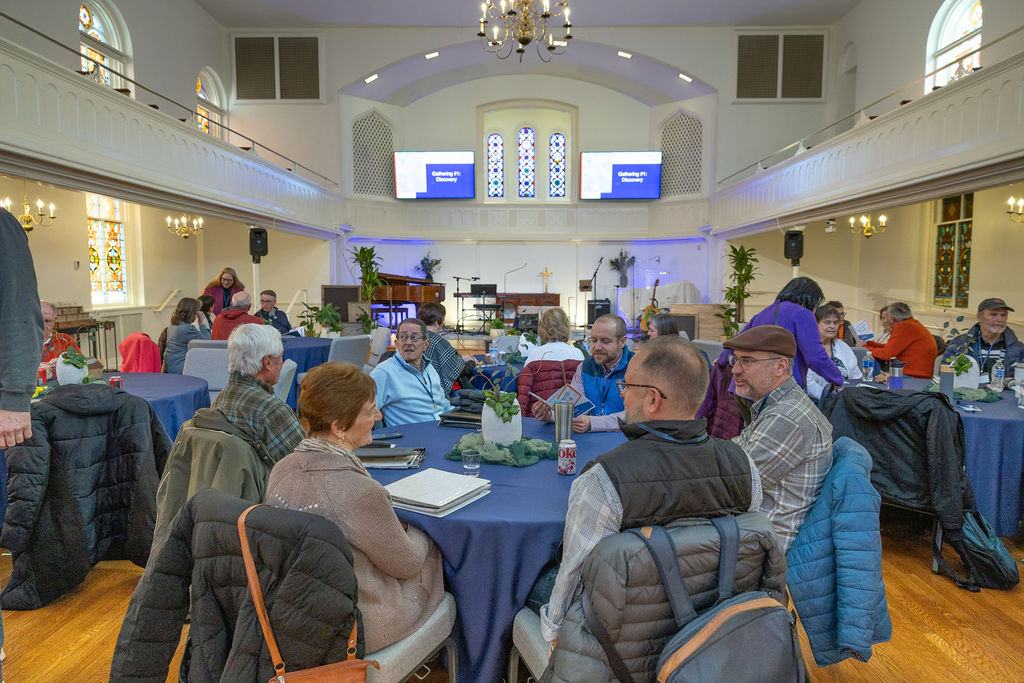
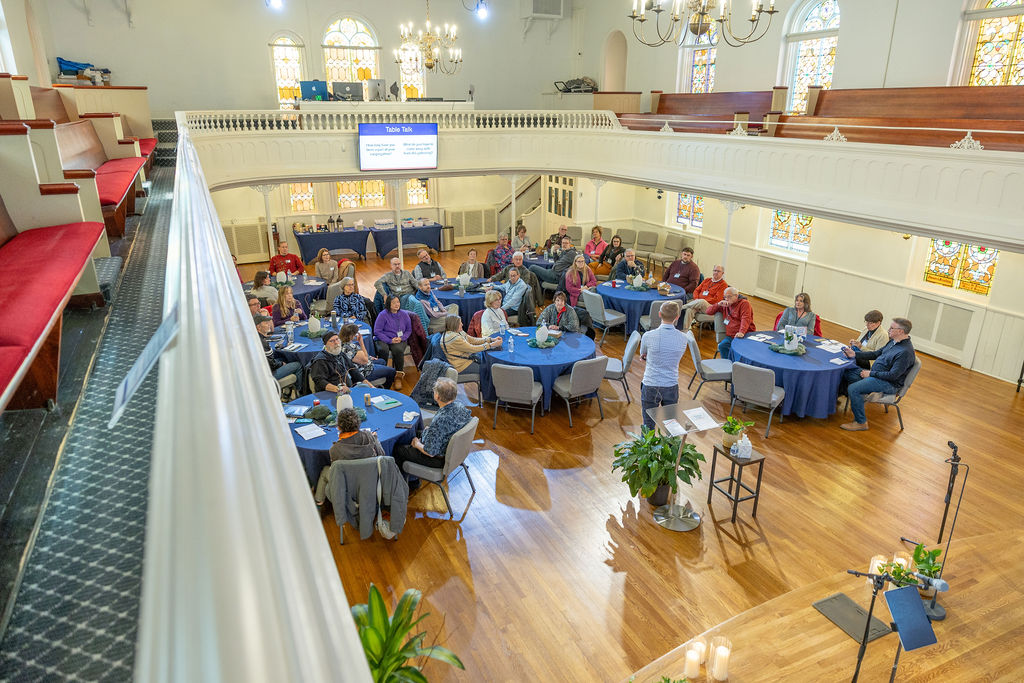
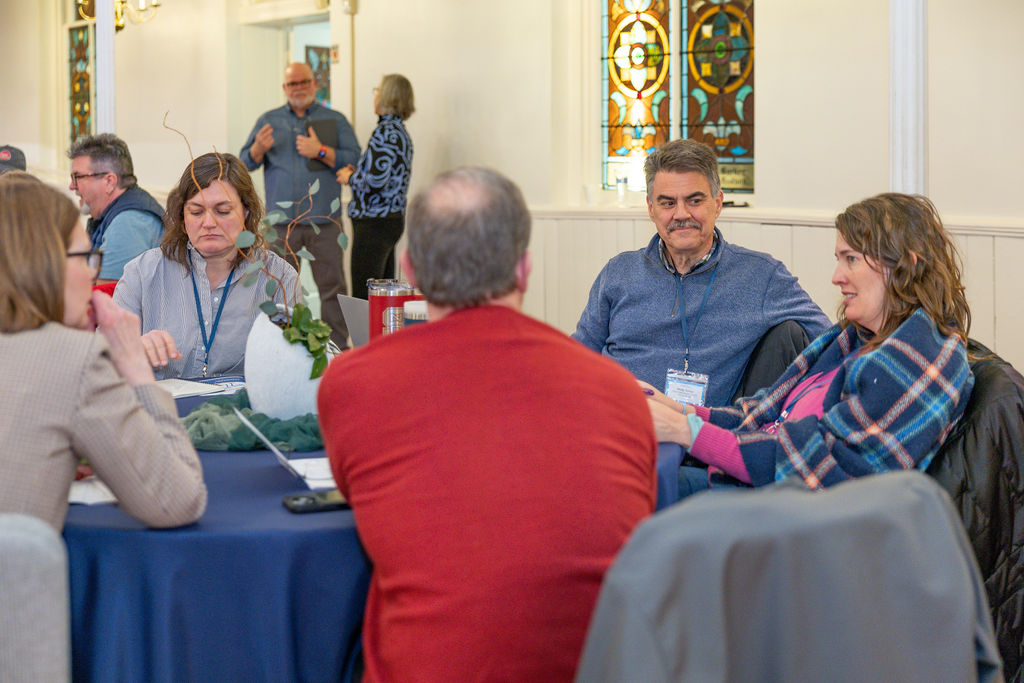
Members of the team also participated in an off-site exploration with other churches where we learned what other tools have been used and helpful in their own exploration. We’ve been encouraged to think bigger. The Building Hope Team is going to be meeting biweekly through the end of the year. Stay tuned for a congregation-wide meeting after worship where we’ll report what we’re learning, share some thoughts, and gather feedback.
Building for Hope: iSpy Neighborhood Discovery
Deadline: Sunday, October 19
When you look around our neighborhood, what do you notice first? Where is the closest school, the nearest place to eat, or a spot where people gather? And as you look deeper: Who is present? Who is missing? What brings joy? What raises concern? What inspires hope? Where do you notice God already at work?
These questions are at the heart of iSpy. Together, we will take a closer look at our community and listen for what God is showing us.
How to Participate
On your own or with a partner
Use the iSpy guide anytime before October 19. Walk or drive with a friend, someone you serve beside in ministry, your Sunday School class, or your small group.
Join a group tour
Sign up here: iSpy Group Tour Sign-Up Form
• Monday, October 6 at 9:30 a.m. – Driving tour with April Kennedy (wider neighborhood)
• Monday, October 6 at 12:30 p.m. – Walking neighborhood tour with April Kennedy
• Wednesday, October 8 at 5:30 p.m. – Driving tour with Sterling Severns (wider neighborhood). Optional dinner afterward
Why It Matters
iSpy is the first congregation wide step in our Building for Hope journey. Your reflections will help shape the visioning conversations in the weeks ahead.
Watch the short intro video here: Tabernacle Baptist Church Building for Hope
As Yogi Berra once said, “You can observe a lot by just watching.”
Please complete iSpy by October 19.
Questions may be directed to Ryan Corbitt, Dan Herman, April Kennedy, or Sterling Severns
Building for Hope: A Bold Step, A Shared Journey
Tabernacle is one of just thirteen churches nationwide invited to participate in Building for Hope, a two-year, grant-funded initiative designed to help congregations reimagine how their buildings and land can better serve their communities—and, in doing so, help sustain the mission of the church.
This isn’t a side project. It’s a purposeful process that invites the congregation to explore how we might use our space more fully for the common good, while also building a more sustainable financial future for our ministry.
Rooted in faithful economic practice, this work centers on social enterprise—a mission-led approach to using what we’ve been given (our space, our location, our creativity) to meet real community needs while generating income to support long-term ministry. Social enterprises aren’t about profit—they’re about purpose. Churches across the country are doing things like:
- Turning unused classrooms into art studios and business incubators
- Offering coworking spaces and after-school programs
- Inviting food entrepreneurs to use commercial kitchens
- Developing affordable housing on church property
- Partnering with nonprofits to create gardens, clinics, or community spaces
In all cases, the mission leads. Any project we pursue must reflect our calling to love, serve, and seek justice.
Where We Are Now
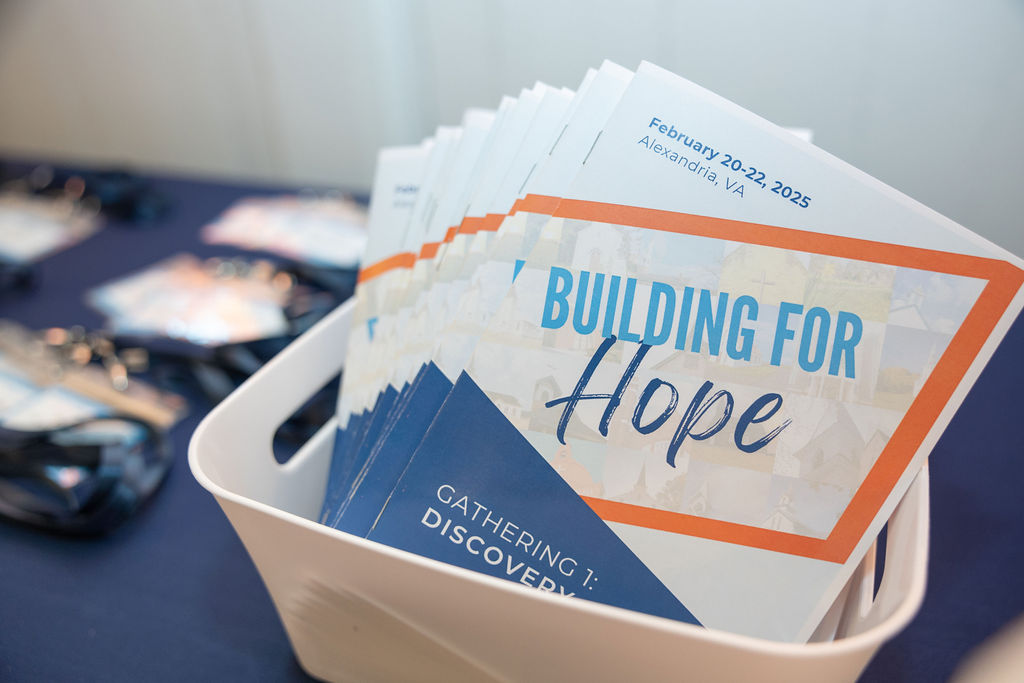
This past week, two of our team members—Sterling Severns and Ryan Corbitt—joined cohort representatives from twelve other congregations for a national Zoom call to share updates and learn from one another. In just a few weeks, three members of our team will attend the second offsite cohort gathering in Alexandria (May 15–17), returning with new insights and energy for the next phase of our journey.
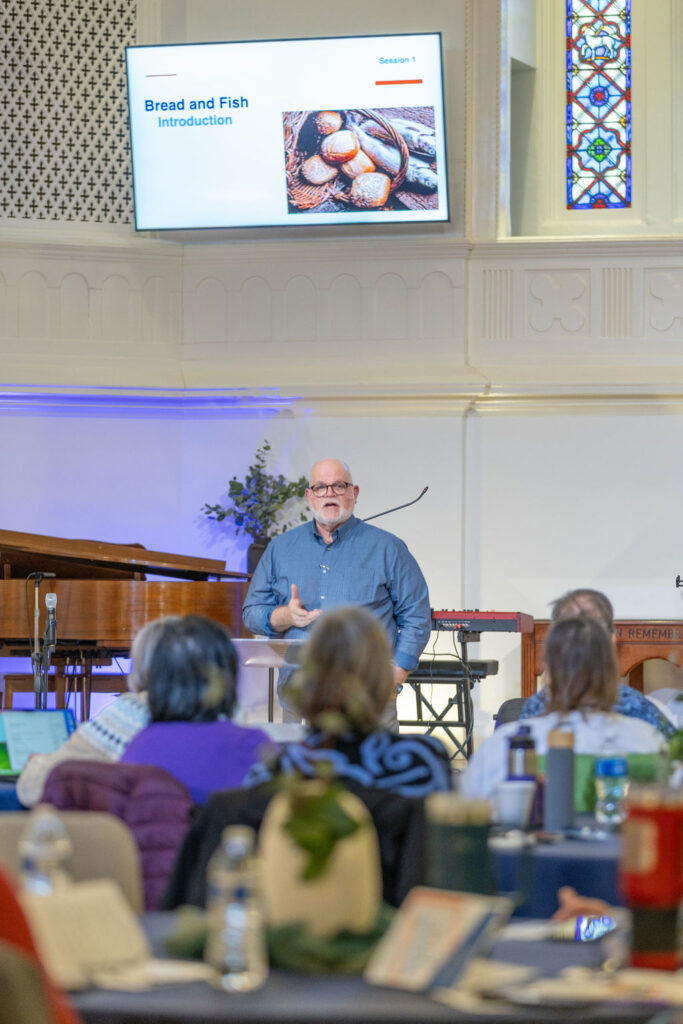
Before that, the full Tabernacle team will gather on Tuesday, May 13 to complete Session 3 of the Good Futures Accelerator. This session, titled Community and Context, centers on listening: to our neighbors, to our history, and to where God might already be at work. We’ve also partnered with the BGAV to launch a demographic study that will help us better understand the people who live around us—and how we might come alongside their gifts and needs.
Who’s Involved?
Our current team includes: Ryan Corbitt, Jay Hartman, Donna Soyars, Kathy McGraw, Sterling Severns, and April Kennedy. A few others have recently expressed interest in joining the team, and we anticipate welcoming additional members in the coming weeks.
This is an active working team, guiding the process and helping shape how and when the broader congregation is engaged. Importantly, the team does not make final decisions on behalf of the church—it stewards the process, creating space for all of us to listen, discern, and imagine together.
We also want to share a leadership update: Donna Soyars, one of our three coordinating leaders, is stepping back from that coordinating role to focus more fully on her responsibilities as Chair of Building & Grounds. She remains a committed and active team member, and we are deeply grateful for her wisdom and dedication. In the coming weeks, a new team coordinator will step into that role alongside Ryan and Sterling.
What’s Next?
We anticipate hosting the first churchwide gathering in early June, opening the process to broader congregational conversation, input, and imagination. These sessions will continue throughout the year and will be essential in helping us discern what expressions of social enterprise might take shape at Tabernacle.
This isn’t about fixing a problem. It’s about following God’s Spirit into what’s possible—rooted in our story, shaped by our neighbors, and open to where hope leads.
Let’s keep listening.
Let’s dream together.
Let’s build for hope.
Testimony from the Building For Hope Leadership Team
Going Deeper:
Host Church: Old Town Community Church
Rooted Good: Good Futures Accelerator Course
The field trip Ryan and Donna = Arlington Presbyterian Church
2025.02-Building-for-Hope-Offsite-Program_Gathering_One_Discover


Deep Dive:
We Aren’t Broke: Uncovering Hidden Resources for Mission and Ministry