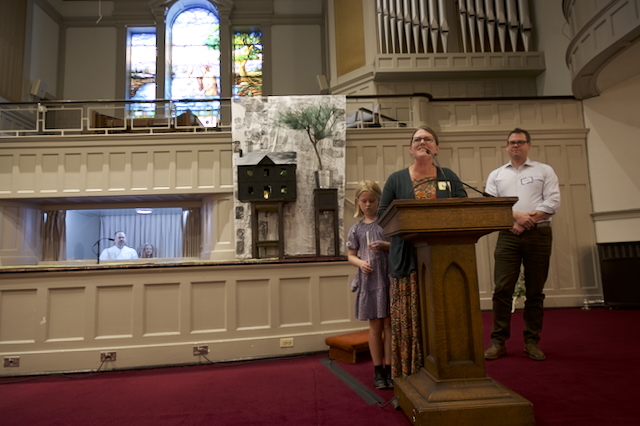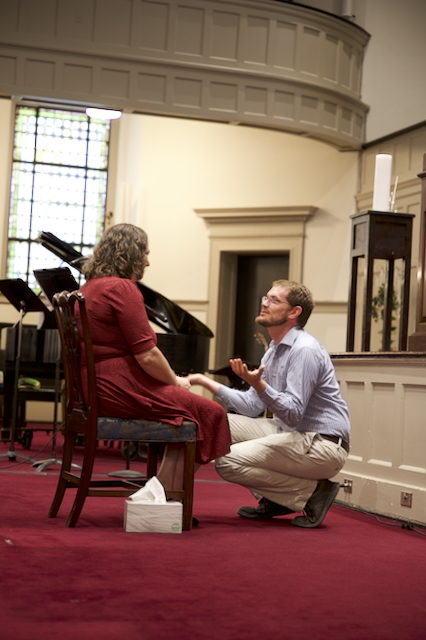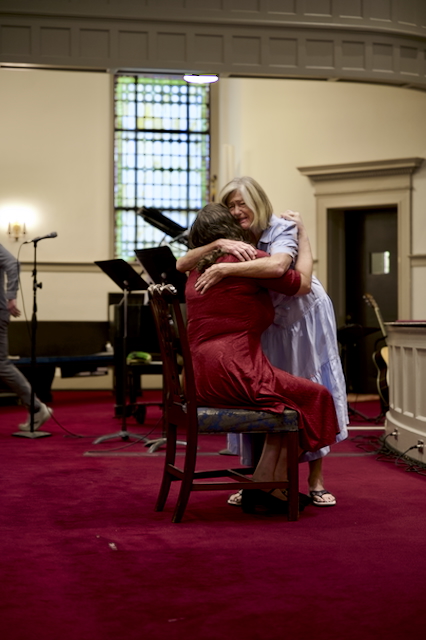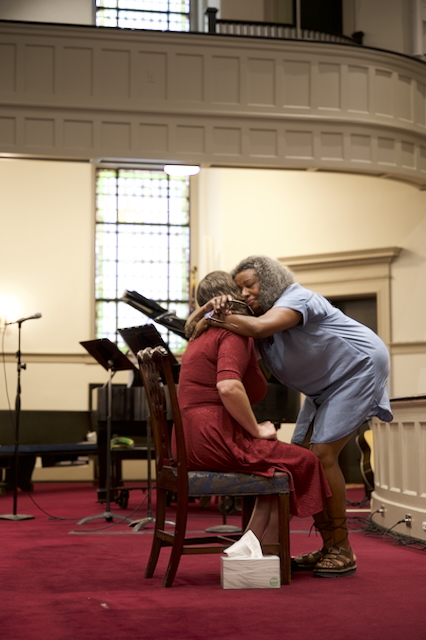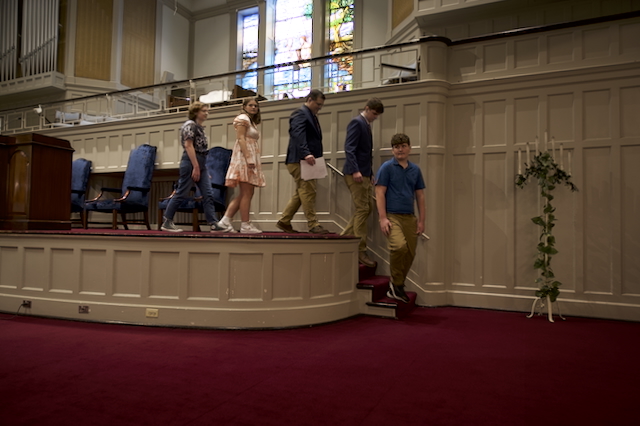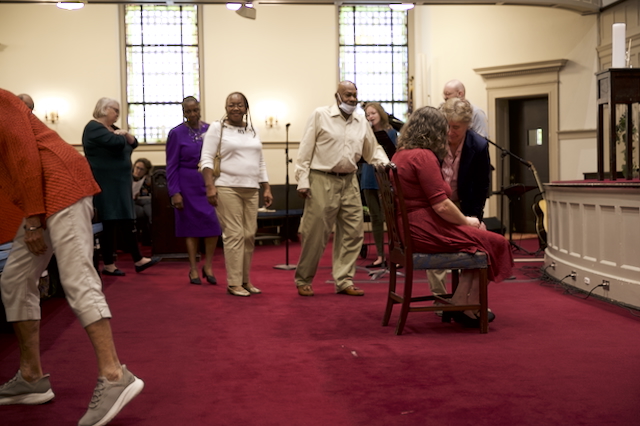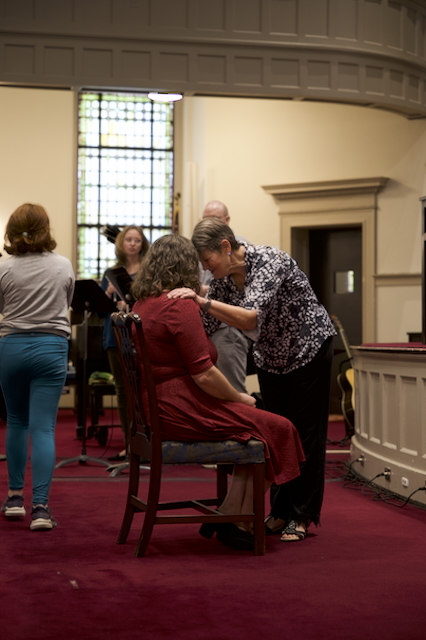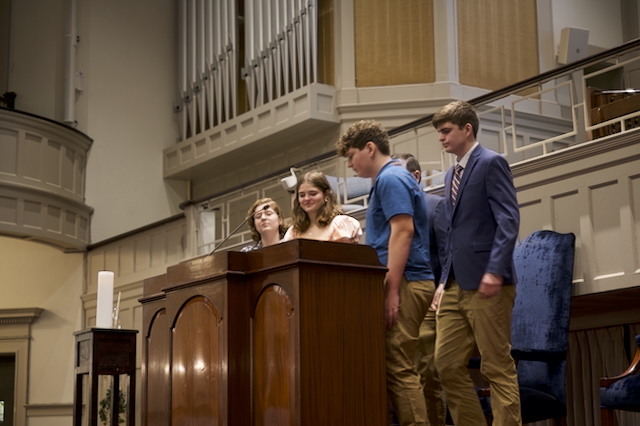
Ash Wednesday

February 18, 2026

Ash Wednesday invites us to take our first steps into the Lenten journey, turning our hearts toward Easter with honesty and hope. It is a day when the church speaks plainly about who we are: mortal people whose lives are finite, and faithful people who often struggle to live as fully and lovingly as we intend.

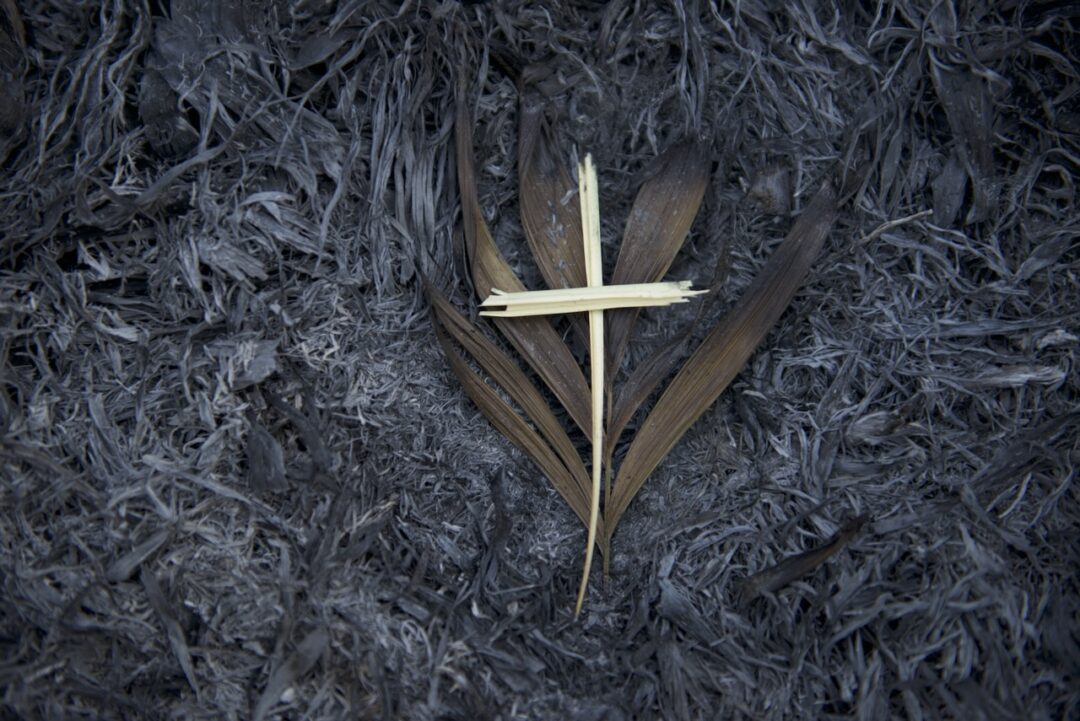
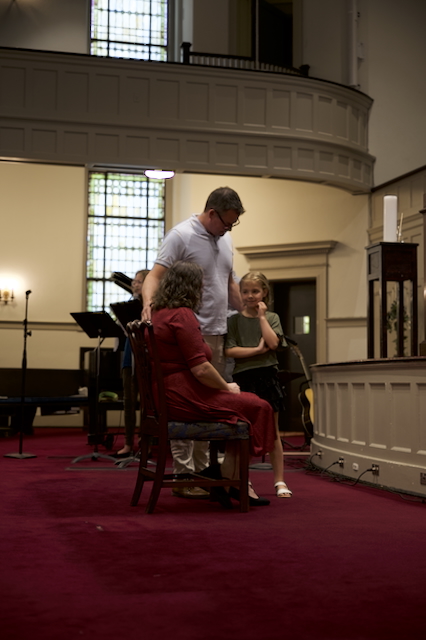
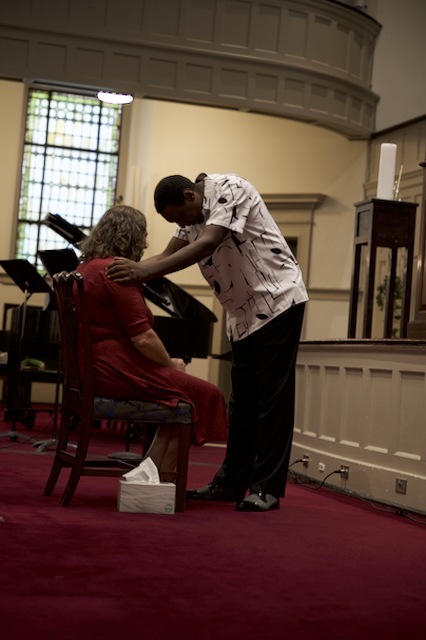
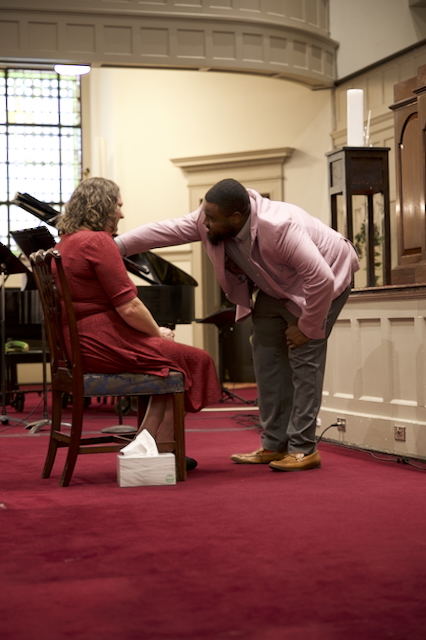
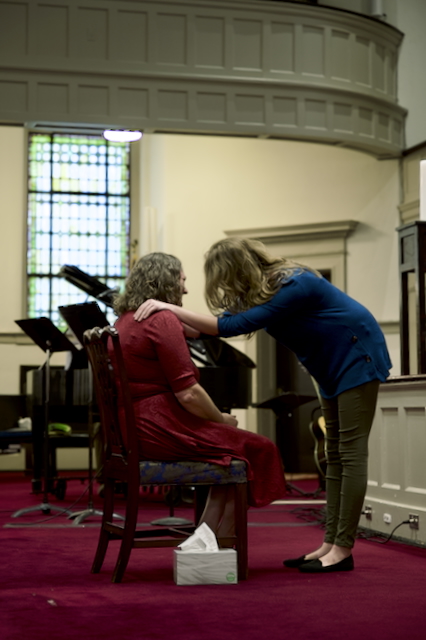
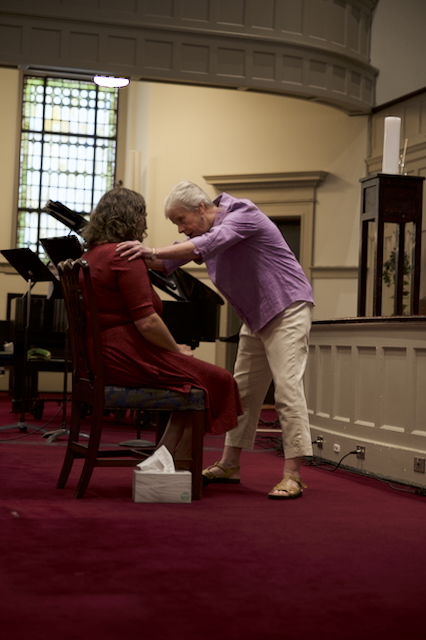
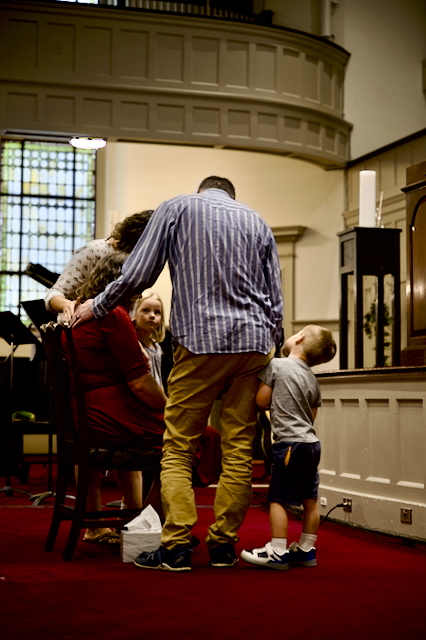
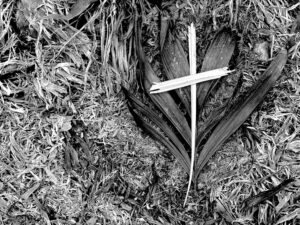
On this day, many Christians receive ashes in the shape of a cross on the forehead and hear the words, “Remember that you are dust, and to dust you shall return.” The ashes come from last year’s Palm Sunday branches, once lifted in joy and now burned and mixed with oil. They hold together two truths we share: our mortality, and our experience of missing the mark in our love for God, one another, and ourselves.

Ash Wednesday gives us a place to begin without pretending. In naming both our limits and our failures, we are invited into a season shaped by repentance, repair, and trust in God’s mercy.

If you are able, we hope you will join us at Tabernacle and invite others to join you. If another Ash Wednesday service in the community fits your day more easily, we encourage you to take part there.

Ash Wednesday at Tabernacle

12:00 PM–5:00 PM | Open Sanctuary

The sanctuary will be open for quiet prayer, guided meditations, and the receiving of ashes. You are welcome to come briefly or to linger in silence and reflection, as your day allows.

6:00–7:00 PM | Ash Wednesday Service

We will gather for a communal Ash Wednesday service in the sanctuary, including music, scripture readings, a reflection, prayer, and the imposition of ashes.

Wherever and however you mark this day, may it be a faithful beginning to the Lenten journey.

Becoming a Church That Sees

When neighbors ask me how things are going at church, the word that keeps surfacing is “alignment.” What a gift it has been to cast our eyes in the same direction and focus our attention on unity.

These days feel familiar. More than 20 years ago, after a sustained season of longing and discernment, we began to sense the Spirit preparing us for something new. It was in that season, as in this one, we found ourselves leaning into trust that God wasn’t finished with us yet.

The leap of faith we took together in the first decade of the 2000s was met by God’s abundant grace and brought about a tremendous season of vitality. The threshold we now stand upon in the mid-2020s feels familiar. It feels like God is drawing us, yet again, toward a future shaped by hope.

Life Together Over the Last Six Months

Over these last six months, we’ve experienced so much life together:

  • We’ve seen long-needed facilities improvements take shape throughout the building, thanks to the dedication and diligence of many behind the scenes.
  • We’ve also witnessed a deepening commitment to participatory worship, as more and more congregants have stepped forward to serve in worship leadership, enriching our shared experience of God’s presence.
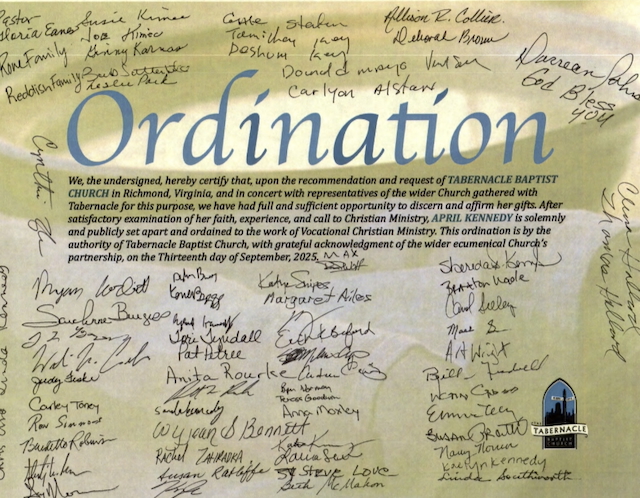
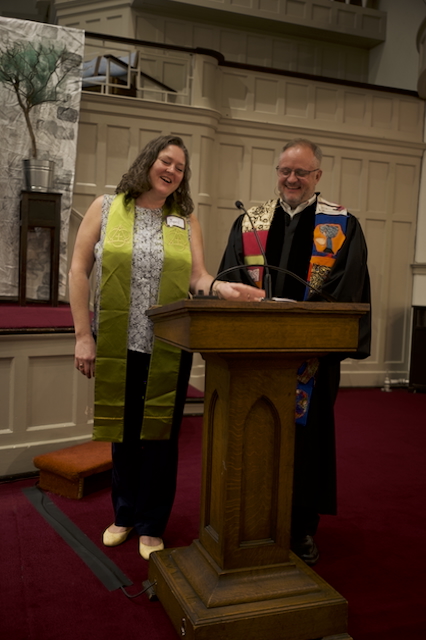
  • We ordained Rev. April Kennedy into Gospel Ministry.
  • We celebrated baptisms with Brenda, Spencer, Adah, Luke, Ben, and Raquel.
  • We grieved the passing of Jean and Woody, everyday saints whose lives shaped us in lasting ways.
  • We’ve embraced new rhythms and responsibilities. One of the most tender transitions in our shared life was Judy Fiske’s retirement from the staff after 45 years of faithful ministry. Her move from a staff leadership role to “the pew” has been met with grace on every side, a testament to Judy, the congregation, and the steady presence of our staff team.
  • We celebrated ministries, honored quiet acts of faithfulness, deepened relationships, and tended to the daily rhythms of church life in ways too numerous to name.

Becoming a Church That Sees and Is Seen

For generations, we’ve been known as the church that feeds people, a reputation rooted in compassion and care. That calling remains strong, but we are also maturing into a church that sees people with deepening clarity and compassion.

This has long been true of who we are, but in this season, people are beginning to name it. More and more are saying they feel seen. And in being seen, they are helping us see more clearly who God is calling us to be.

This clarity is shaping how we serve, how we prepare, and how we receive the gifts God is bringing through our neighborhood.

We are also becoming a church that is being seen, seen by neighbors across our city, some for the first time in a long while.

Building for Hope

The Building for Hope initiative is a powerful expression of this transformation. It has become a prayerful invitation to reflect on who we are, to name what we cherish, and to faithfully imagine the kind of future God is calling us to pursue together.

We are also becoming a church that is increasingly visible to our neighbors across the city, many of whom are engaging with us in meaningful ways for the first time in a long while. The Building for Hope initiative is a powerful expression of this transformation. It has become a prayerful invitation to reflect on who we are, to name what we cherish, and to faithfully imagine the kind of future God is calling us to pursue together.

Gratitude and the Road Ahead

We’re not naïve about the challenges ahead. These are demanding days for churches everywhere. And they are also sacred days.

I am grateful for the renewed energy among us, the unity we’re experiencing, and the growing sense that we are pushing forward because we believe God is doing something new.

Thank you to our staff, who lead with deep care and conviction. Thank you to our lay leaders, who carry the weight of this work with faith and joy. And thank you to each of you, for continuing to show up with open hands and hearts.

These are good days. Let’s keep walking together.

Grace and Peace,

Rev. Sterling W. Severns, Pastor

Building for Hope: iSpy Neighborhood Discovery

Deadline: Sunday, October 19

When you look around our neighborhood, what do you notice first? Where is the closest school, the nearest place to eat, or a spot where people gather? And as you look deeper: Who is present? Who is missing? What brings joy? What raises concern? What inspires hope? Where do you notice God already at work?

These questions are at the heart of iSpy. Together, we will take a closer look at our community and listen for what God is showing us.

How to Participate

On your own or with a partner
Use the iSpy guide anytime before October 19. Walk or drive with a friend, someone you serve beside in ministry, your Sunday School class, or your small group.

Join a group tour
Sign up here: iSpy Group Tour Sign-Up Form

Monday, October 6 at 9:30 a.m. – Driving tour with April Kennedy (wider neighborhood)
Monday, October 6 at 12:30 p.m. – Walking neighborhood tour with April Kennedy
Wednesday, October 8 at 5:30 p.m. – Driving tour with Sterling Severns (wider neighborhood). Optional dinner afterward

Why It Matters

iSpy is the first congregation wide step in our Building for Hope journey. Your reflections will help shape the visioning conversations in the weeks ahead.

Watch the short intro video here: Tabernacle Baptist Church Building for Hope

As Yogi Berra once said, “You can observe a lot by just watching.”

Please complete iSpy by October 19.

Questions may be directed to Ryan Corbitt, Dan Herman, April Kennedy, or Sterling Severns

The Gift of Participatory Worship

This past weekend was a gift.

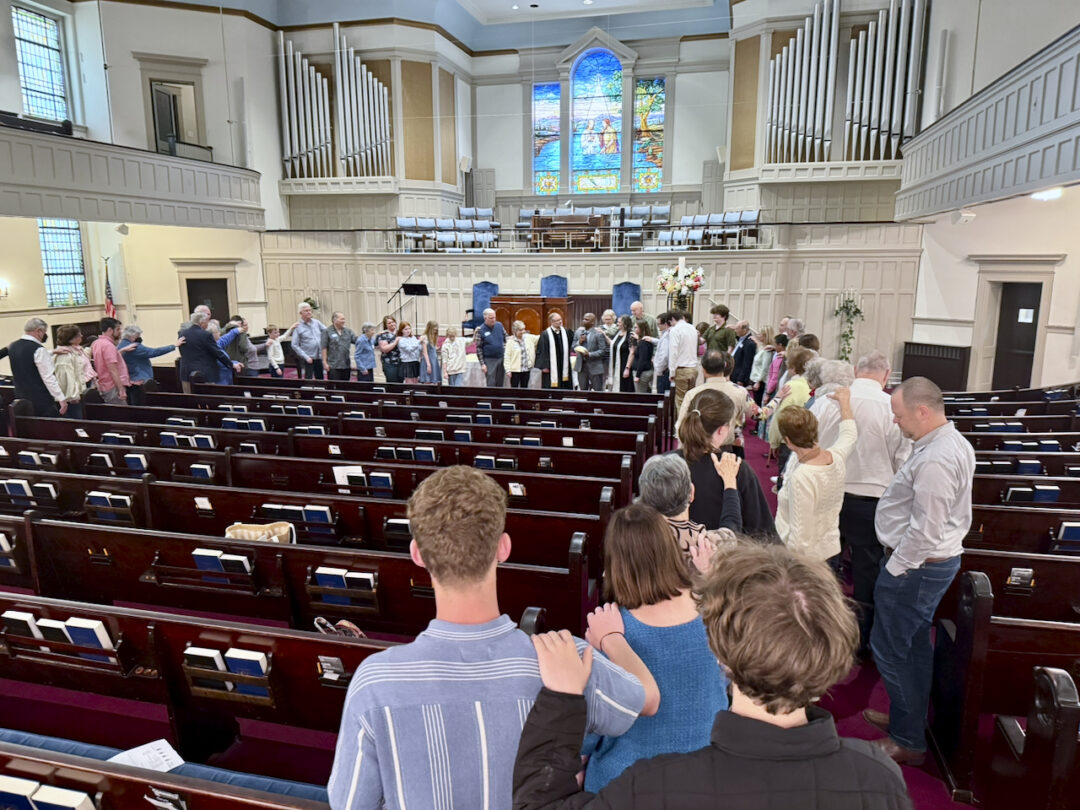
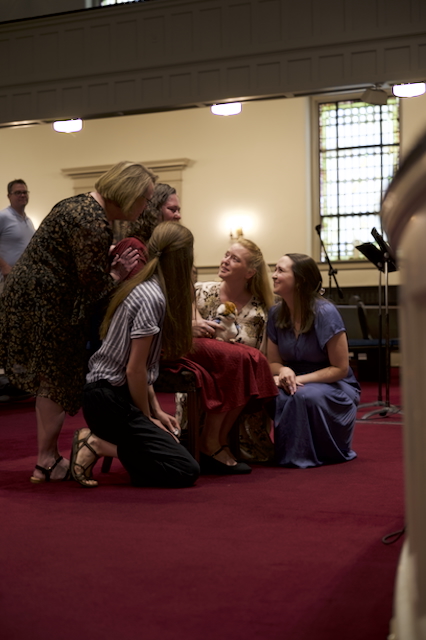
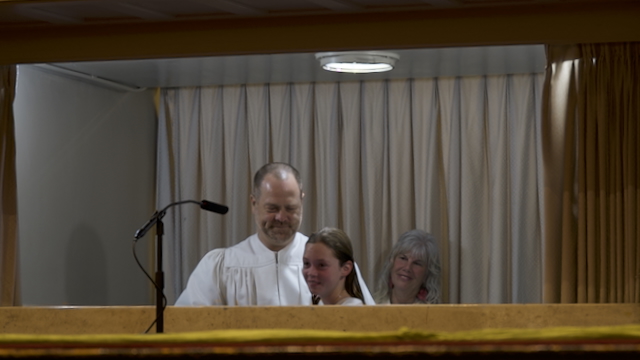
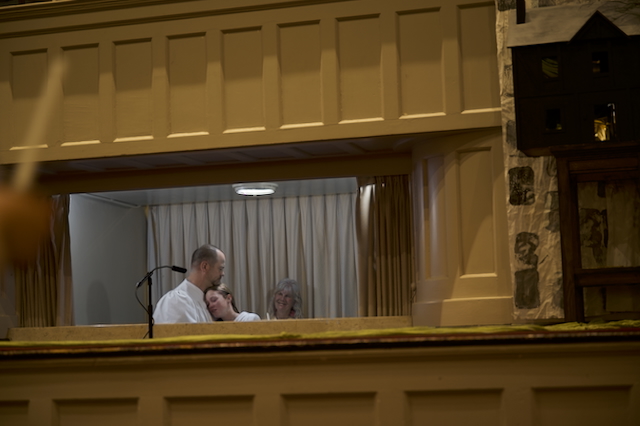
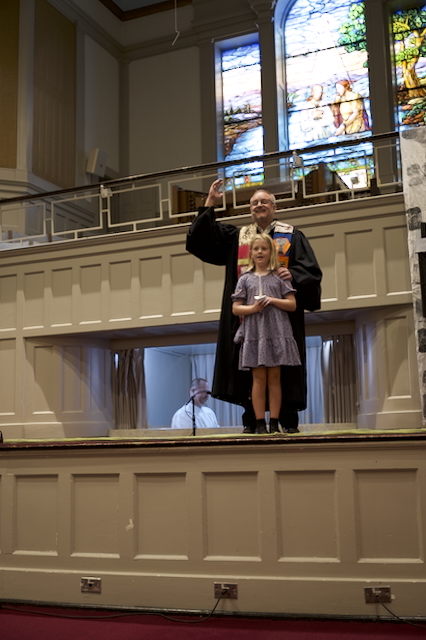
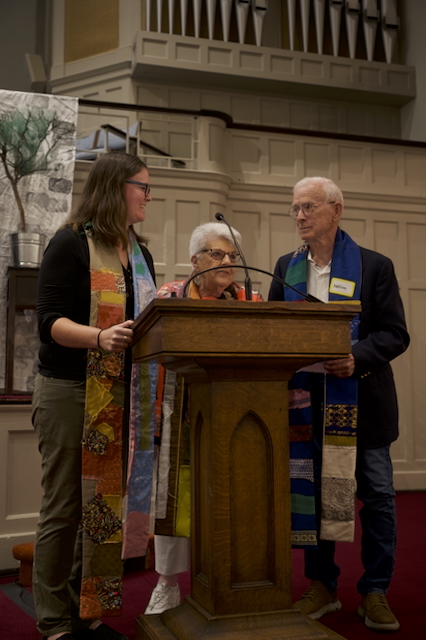
On Saturday, we gathered for April’s ordination. It was a beautiful, Spirit-filled celebration, with a rich mix of people from our church family, our neighborhood, and others who have walked with April in different seasons of her life. The same was true on Sunday, as we gathered to celebrate Adah’s baptism, her public profession of faith. In both services, the presence of many voices leading us in worship reflected the kind of community we are becoming, one where worship is shared, personal, and rooted in the movement of God among us.

One of our core values as a church is worship.

“WORSHIP: We strive to be a congregation rooted in the participatory worship of God, where personal relationships are nurtured and all persons are encouraged to creatively and meaningfully express their unique gifts and stories in the worship experience”

This has been true of Tabernacle for many seasons, and we give thanks for all the ways that value has been faithfully lived out across the years.

What makes this particular season distinct is the way we are now structuring worship services around those who have already said yes to leading. Rather than designing a service and then inviting individuals to fill specific roles, we are beginning with the people and gifts God has already stirred. This approach allows us to invest our time in walking closely with those who step forward, helping them feel prepared and supported. Our hope is that every person who participates in leading worship will come away feeling grateful they said yes.

Since June, it has been beautiful to see people of all ages and backgrounds come forward to read scripture, lead prayers, serve Communion, and share their gifts. Of course, the rhythm is still uneven. Some Sundays are full, others more sparse. That is to be expected as we learn and grow. We are leaning on one another. We are leaning on you. Leaders in the life of the church are reaching out within their small groups, classes, and teams to encourage others to participate. And many are going one step further by inviting someone personally.

Adults are inviting youth and children to lead alongside them. Adults are inviting other adults. That kind of shared experience is not just helpful for worship planning. It is a form of discipleship. It strengthens our relationships and deepens our faith. When we lead together, we grow together.

We give thanks for April and for Adah. We give thanks for the God who is shaping all of us in and through worship. And we give thanks for the many people who are saying yes to helping lead us week after week.

If you are drawn to our shared value of participatory worship and feel ready to step in, we invite you to sign up here: https://www.surveymonkey.com/r/3Q2Z5Z9

If you are still discerning, we honor that too. Together, we are learning how to follow Christ more faithfully by showing up, stepping in, and offering our gifts in the ways God is calling us!

Gratefully Yours,

Rev. Sterling W. Severns

Pastor

When Love Tells the Truth

How many times have you found yourself awake in bed, eyes fixed on the ceiling, replaying what you did not say or what someone said to you that you cannot get out of your head? The room is quiet. The heart is not. Where does that quiet leave you?

God loves us too much to let avoidance pass for wholeness. Jesus says it plainly in Luke 12:49–56. His coming brings division, hard as that is to hear. Pay attention to what he divides. He is not severing us from one another. He is cutting through the false peace we stack like sandbags to keep truth and healing out. Avoidance is a place we go when things feel uncertain or too much. Jesus calls us out of that place.

Peace-keeping and Peace-making are not the same. 

Peacekeeping keeps a silence that harms. Peacemaking steps toward truth, confession, and repair. Jesus does not preserve a fragile calm; he makes the kind of peace that goes the long haul. Peacemaking opens space for our holy longing, the deeper quiet where a soul can finally rest.

We know the other pattern. We answer the easy notes and delay the conversation that matters. We add another meeting instead of the one we need. We speak in generalities and call it wisdom. From a distance it looks like peace; up close we are crossing our fingers.

The love of Jesus tells the truth. His grace loosens our bargains with comfort. His mercy retires the ledger and sets the table. For those who avoid conflict, cure can feel like cruelty at first. The peace Jesus brings is the narrow way. It is not easy….AND….. it is worth it. We are invited to trust that the Holy Spirit can and will hold what we cannot fix.

This week I urge you to consider:

What contract with comfort is ready to be set aside?
Where have you quietly promised yourself, “I will not risk this as long as I can stay comfortable”? Name one small bargain. What would the next faithful step look like?

What ledger are you still carrying, and can you put it down?

Whose name lives in the margins of your memory with tallies beside it? What would it mean to stop keeping score and let grace balance the account?

What fence could become a gate if you asked for help?
Where have you built a boundary that now keeps love out too? Who could step through with you?  What simple request would you make first?

Where is the Holy Spirit nudging you from peacekeeping to peacemaking?
In what conversation are you keeping the peace instead of telling the truth in love? What first sentence could open a path toward confession and repair?

May the love of Jesus tell the truth in time to heal us.

May his grace interrupt our comfort and carry us.

May his mercy set the table and save us a seat.

Grace and Peace, 

Rev. Sterling W. Severns
 Pastor

When the Door Doesn’t Budge

When the Door Doesn’t Budge
By Rev. Sterling Severns, Pastor

Life has a way of surprising us with change. One day everything feels familiar, and the next we’re in territory that’s suddenly unrecognizable. It might be a diagnosis we never expected, the loss of a job we thought was secure, or a shift in a relationship we counted on. Or it might be more subtle—realizing that something which once made perfect sense no longer feels like it fits. Moments like these can freeze us in place. We don’t know how to move forward, and we can’t go back. So we wait. And wonder. And wrestle with the weight of it all.

In my own experience, there have been more than a few seasons like this—times when the path ahead felt uncertain, and the world around me felt both familiar and foreign. Everything on the outside may have looked the same, but something inside had shifted. And without exception, each time, it’s taken its toll. The waiting. The weariness. The wondering if anything is actually changing at all. There’s a deep vulnerability in those moments, especially when we’ve asked God for help, when we’ve prayed for direction, healing, peace. We show up to our lives the best we can. Still trying. Still hoping. Still doing our thing. But the silence lingers, and the door we’ve been knocking on stays shut.

The longer we walk in faith, the more we come to see the real change comes not when the door swings open, but when something inside us opens instead. Not suddenly, not dramatically, but slowly, quietly, over time. God doesn’t always remove the stuckness, but God meets us in it, reshaping our hearts, softening the places that have grown hard with fear or frustration. Sometimes, when the exhaustion finally gives way to surrender, we discover that the door was never locked after all. We were just too weary to see how close we already were to grace. We lean against it for support, and somehow, we find ourselves on the other side.

God doesn’t wait for us beyond the threshold. God is with us in the hallway, in the waiting, in the ache. In the quiet work of transformation that begins long before the breakthrough. That is the mystery and mercy of the God who answers, not always by changing our circumstances, but by being unshakably present within them.

So wherever you find yourself this week, whether you’re waiting for the door to open, or wondering if it ever will, may you know you are not alone. May you be reminded that presence itself is a gift, that transformation often begins before we even recognize it, and that grace has a way of meeting us right where we are.

Homily: When the Door Doesn’t Budge

What do you do when the door won’t open—when you’ve prayed, pushed, and persisted, only to find yourself still stuck? This week, Pastor Sterling Severns reflects on Luke 11:1–13, where Jesus responds to his disciples’ request: “Teach us to pray.” With insight from theologian Robert Farrar Capon, this homily explores prayer not as a formula for success but as a deep practice of surrender and connection.

Sterling walks us through the mystery of persistence in prayer—not to wear God down, but to wear down our own illusions of control. Sometimes the door doesn’t open right away. Sometimes it’s not the door that moves, but us. And sometimes, in the weariness and surrender, we discover that God has been with us all along, even before the door creaked open.

Whether you’re questioning, clinging, or simply tired, this episode offers a spacious, compassionate reminder: prayer doesn’t always change the circumstances, but it opens us to the God who is unshakably present in the midst of them.

Homily Transcript

July 13, 2025 Luke 11:1–13 Rev. Sterling Severns, Pastor

The disciples of Jesus have been following him for a while now. They notice that there’s something different about him beyond just his ability to perform miracles and the wisdom teaching and all the things it’s about. The way that he prays, they notice that when he goes off to spend time with God, he comes back kind of with a reset button having been hit or a renewed resolve. They become aware the more time that they spend with him, that there’s something about the quality, or whatever is that’s happening there in his connection with God that helps him in the moments that he finds himself being criticized. On the other side of the criticism, something that sustains him when he’s clearly getting weary. There is something about the quality of the nature of the way that he prays that sustains him. And so they ask the innocent question, hey, how do we pray like that? Teach us to pray now the cross thing at the beginning of our spiritual journeys, when we first start out, one of the great gifts of the initial period of time that we find ourselves just open and aware to the grace of God is that doors just kind of open for us as we go through them, we have a keen awareness early in our faith, In our childlike faith. 

It seems that when we approach an obstacle, a wall, or, in today’s context, a door, we just kind of assume, maybe, I don’t know how to say it, we assume the door is going to open, and it does. Can you remember a time in your life when things felt pretty easy for a lot of you, that was a long time ago? Anybody? Yeah, for most all of us, if not all of us, it’s been so long since life felt that way that we don’t even remember that moment in our lives. Because the longer that we walk in faith, the more we discover as we do life, that more doors are on the way, right? So whereas at first we may just walk through the door or we just assume God’s going to open it and God opens the door, we’re good, but then the longer that we move along, we find that we have to work at it a little bit more. Here’s the great truth that I’d like to share with you in this brief little homily today, the perception of this passage of Scripture is that if we can just nag it, God enough, God will finally be so sick of hearing us that we’ll get what we ask for. 

Robert Farrar Capon, one of my favorites, the quintessential go to for all things. Parables says that so many of us approach God as if prayer is a vending machine. You know, some of you are so young you haven’t used a lot of vending machines where you understand the frustration of putting all the quarters in and then watching your candy bar get stuck as it slowly is swiveling and it gets stuck, and you find yourself doing what, shaking the living daylights out of it, kicking it. And now you’ve gone and hurt yourself, and now you need to feed your feelings. So you’re going to need two candy bars, not one. And before you know it, and finally, it pops out, and Farrar Capon and says, No, that’s not prayer. That’s not what this author is saying, if you walk away from a parable and it tells you what you went into it, assuming that you knew what it was going to say, you’ve probably missed it. It’s not about wearing God out. 

When I was a teenager, I knew that if I needed to get. Way with something I should approach my mom, not my dad. My dad was the hard liner in our house. I so desperately wanted to go snow skiing, which is such a joke, because in central Tennessee, you don’t have a whole lot of skiing options. You might as well be in Dubai, where you have skiing but like, come on. But sure enough, in Crossville, there was this tiny, little one hill ski resort, and I couldn’t wait to get to it, and my mom said, I am not giving you permission. If your dad says you can go, you can go. And I remember begging my dad at first, and then it was very clear that wasn’t going to happen. And finally, I knew my dad’s buttons enough that I knew if I pushed hard enough at this point with where he was in life, he may very well relent, and he did. The weather forecast was terrible. They were calling for ice, and I actually wore my dad out to the point that he said, Fine, just go. And sure enough, halfway there, we got hit on the interstate, and we ended up spinning out of control and almost hit a tree off of the interstate. A tow truck had to be called pull us back on the interstate. We ended up still the vehicle was operational. We were able to go and we skied our little one hill ski trip, and I came home, and to this day, I don’t know that my dad knows that I was in a car accident on the way there. 

It’s not how it works. Here’s how it works. You didn’t get the life that you thought you would or for the religious types, we didn’t get the life that we thought we should have gotten. It didn’t pan out how we thought it would. And when we approach the doors as they come, one after the other, you know, sometimes in crisis, sometimes in deep pain, and other times, we just get worn out from doing the right thing over and over again, and somehow we just lose the ability to see that God is walking with us, that God is with us. In my own experience, I have had this experience multiple times now in adulthood, where I find myself looking at a proverbial door, and thinking to myself, I know how to get this door open. I’ve seen doors just like this door. I know how to do this. And I even assume that God expects me to be the one that opens it, and I end up beating on that door and turning that handle a million times and kicking on that door to the point that I have no energy left in my body, only to slunk down against that very door, and with what little energy I can muster, throw my hands up in the air and say, God, this is the end. I can’t do it. And sure enough, it’s the moment that I say I can’t, that I find that that door that I’m now leaning against, slunk down, just falls open, and I fall forward with this deep awareness that God just did something that I know I can’t. 

It’s Not about God as Santa Claus giving us what we wish for. It’s not about the vending machine. It’s about our persistence and the necessary knocking. That is more about us wearing our own selves out, our egos out, so that we know that ultimately, prayer is not about getting what we ask for but so much more getting a constant awareness that we are not alone. 

Jesus doesn’t say pray, and let’s see if you earn it. He just says it over and over again. Come to Me and, prayer….. intimacy…. is how God does that best. 

Teach us to pray like you do Jesus, Our Father, who art in heaven. Hallowed be thy name. Your kingdom come not mine. Your will be done, not mine. Forgive me, Lord. Forgive us, Lord, the way that we forgive other people by your example and please enough doors already lead us, not into temptation, but no matter what, just try to deliver us from ourselves and the evil in us. Amen. 

Amen.

When We Gather

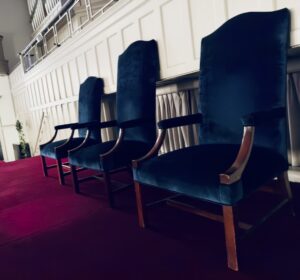
On Sunday mornings, I have the privilege of sitting up front in the blue fabric chair just behind the pulpit before worship really gets going.

For over 20 years, I’ve settled into that chair nearly every week, watching the congregation arrive for worship. Some of you walk in quietly, take a bulletin, and slip into a pew for quiet reflection, while others of you move through the room greeting one another. And then there are those of you in the Virtual Acre doing something similar in your own way—settling in with coffee, saying good morning in the chat, making space for worship wherever you are.

One of the things I’ve come to love about sitting in that seat is that it gives me such a clear view of what happens next. I get to see the slow, quiet convergence as you arrive from all over, carrying the week behind you, your burdens and joys in tow, and gradually our voices begin to join together.

There’s something beautiful about those first notes of the gathering song. It’s one of those sacred moments when our gathered bodies become The Gathered Body—when the many individual parts begin coming together as one.

As worship continues, that sense of shared space only deepens. When some of you stand to share your testimonies—each one unique, rooted in your own lived experience—there’s this mystery where your stories begin to resonate with all of us. When others of you lead us in song, guide us in prayer, or serve in so many other ways, your offerings invite us deeper into this shared experience of worship.

We start to hear our own questions, struggles, and hopes echoed back.

It’s in that sharing, both spoken and silent, that we remember we’re not just a collection of individuals, but brought together by the Spirit of God, learning again and again to share our lives, lift our voices, and find grace in the faces around us.

It’s one of those times when our scattered lives find a shared voice, drawn together by the Spirit, ready to sing grace into the world.


Rev. Sterling Severns, Pastor

Looking Toward Sunday: Becoming the Neighbor

July 13, 2025 – Gospel Focus: Luke 10:25–37

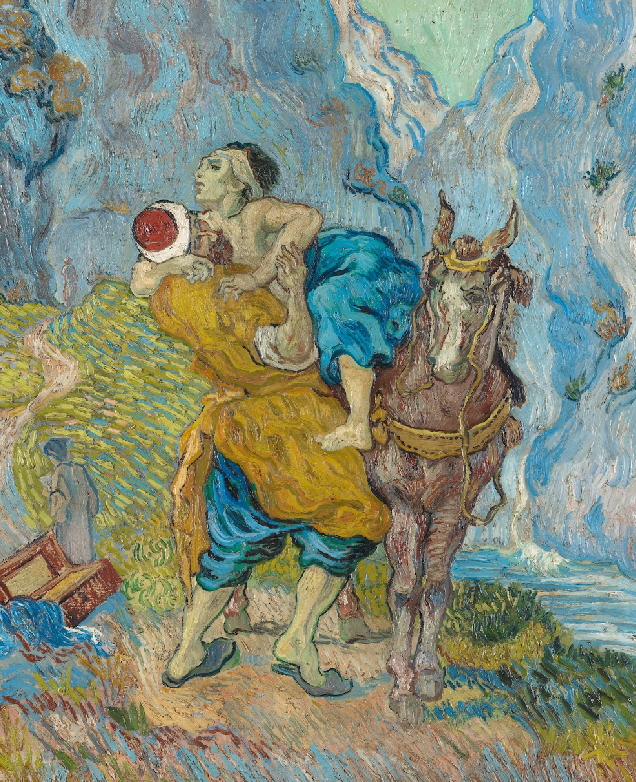
This Sunday we’ll turn our hearts to Luke 10:25–37—the familiar but ever-challenging parable of the Good Samaritan. Jesus tells this story in response to a question we’re still asking today: “Who is my neighbor?” In it, compassion crosses boundaries, defies categories, and disrupts prejudice. As we prepare to worship together, here are a few questions to carry with you this week:

  • I wonder what keeps us from seeing the suffering right in front of us.
  • I wonder how courage and compassion might look in our own lives this week.
  • I wonder who has been a neighbor to you when you needed it most.
  • I wonder how God might be inviting us to “go and do likewise,” embodying mercy, justice, and grace in real ways.

Let’s also pray especially for our youth group at Passport Camp this week—that they would experience God’s love and guidance in powerful ways.

I hope you’ll join us Sunday as we listen for Jesus’ call to become neighbors in a world so desperate for compassion.

Grace and Peace,

Rev. Sterling W. Severns, Pastor

______________
Image: Vincent van Gogh, The Good Samaritan (after Delacroix), 1890. Public Domain. Courtesy of the Van Gogh Museum, Amsterdam.

Pastoral Reflection: Grace at the Start


Rev. Sterling W. Severns, Pastor

This past Sunday, we chose to begin worship at the table. Before prayers or offerings, before much else was said or sung, we paused to share Communion—passing trays from one to another, serving and being served, bread and cup in our hands.

It wasn’t about earning anything, or proving ourselves ready. It was about acknowledging something true before anything else: that grace is given. That God provides. That all of us come hungry in one way or another.

In these tender and challenging days, when so many questions swirl about what comes next, there is something quietly powerful about starting there. To recognize that whatever happens begins not with our certainty or our planning, but with God’s own generosity. That nothing we’re about to do—our singing, our praying, our listening, our giving—creates grace. It simply responds to it.

Passing the bread and cup among us reminded us of our shared dependence. It was a small act of trust: receiving what someone else handed us, offering it in turn. A way of saying we cannot provide for ourselves alone. That God is always the one who moves first, offering what we cannot make ourselves.

For those who would like to reflect more on why this small shift in the order of worship can matter so much, I want to share this thoughtful piece that speaks to it beautifully: Grace at the Start: How Moving Communion Changes Everything.

I keep thinking of these words from Rachel Held Evans that many of us have carried with us:

“This is what God’s kingdom is like: a bunch of outcasts and oddballs gathered at a table, not because they are rich or good, but because they are hungry, because they said yes.”

Rachel Held Evans, Searching for Sunday: Loving, Leaving, and Finding the Church

It’s an image worth holding onto.

Because whatever questions we’re asking about the future, whatever uncertainties wait for us beyond the doors of this sanctuary, we begin by acknowledging the grace already given.

And in serving and being served, we remember who we are.

People who are hungry. People who say yes.

People who find, again and again, that God meets us at the table.